



Understanding the Role of Weed Store in Your Community
The emergence of cannabis legalization across various regions has paved the way for a new kind of retail establishment: the Weed Store. These stores serve not only as vendors of cannabis products but also as valuable community hubs promoting health, wellness, and education about cannabis use. The transformation of cannabis retail has led to significant changes in local economies and community dynamics.
What is a Weed Store?
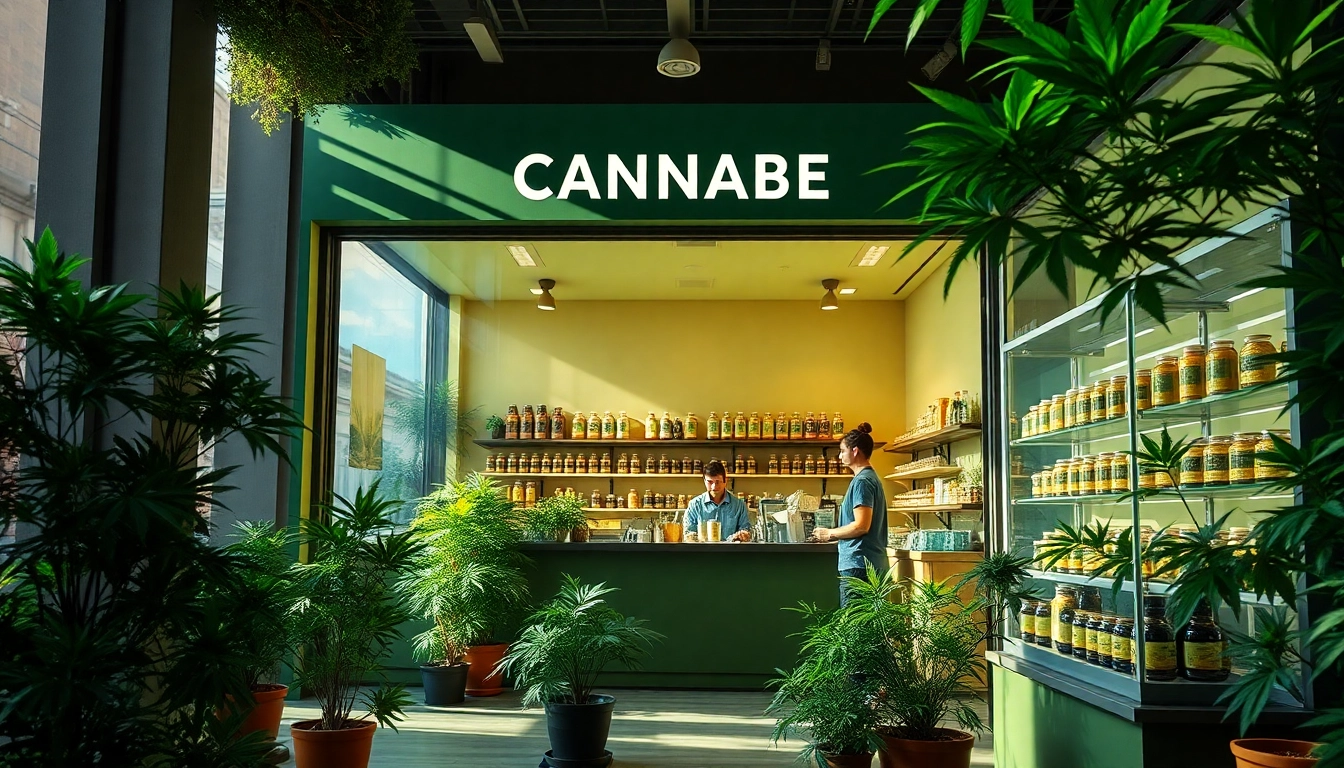
A Weed Store, often referred to as a dispensary, is a retail outlet that sells cannabis and related products. These stores can operate under various regulatory frameworks depending on the local and state laws governing cannabis. They primarily serve two categories of consumers: recreational users seeking cannabis for enjoyment and medical patients in need of therapeutic benefits. The products offered range from dried flower to oils, edibles, tinctures, and various accessories associated with cannabis use.
Benefits of Local Weed Store Access
Local Weed Stores provide several benefits to their communities. Firstly, they create economic opportunities through job creation and tax revenue. As legal sales increase, so do economic contributions to local and state governments, which can be reinvested into community programs. Furthermore, these dispensaries often prioritize responsible consumption and education, hosting workshops and informational sessions to inform the public about safe usage and the potential benefits of cannabis.
Weed Store Regulations and Compliance
Compliance with local and state regulations is critical for the operation of a Weed Store. These regulations can dictate everything from licensing requirements and store location to sales tax rates and product labeling. Understanding the legal framework surrounding cannabis retail ensures that these businesses operate within the law, benefiting both the dispensary and the consumers. This compliance builds trust within the community and fosters a legal marketplace for cannabis transactions.
Products Offered at a Weed Store
Varieties of Cannabis Available
One of the most significant draws of a Weed Store is the diverse array of cannabis products it offers. Consumers can choose from multiple strains, each with unique effects and benefits. Varieties are typically categorized into three main types: Indica, Sativa, and Hybrid. Indicas are recognized for their calming effects, ideal for relaxation and evening use. Sativa strains tend to produce uplifting and energetic effects, perfect for daytime consumption, while hybrids provide a balance of both. Additionally, advanced breeding techniques have led to the emergence of new strains, giving consumers an ever-expanding selection tailored to their preferences.
Edibles and Concentrates in a Weed Store
Edibles and concentrates have gained immense popularity in the cannabis market. Edibles such as gummies, chocolates, and beverages are made to provide a discreet and tasty way to consume cannabis. They come with precise dosing information, making it easier for both novice and experienced users to manage their intake effectively. Concentrates, including oils, waxes, and shatter, deliver much stronger effects than traditional flower, appealing to seasoned consumers looking for potent options. A well-stocked Weed Store will ride the wave of these trends by offering various edibles and concentrates for customers to explore.
Accessories and Essentials
Alongside cannabis products, Weed Stores typically offer numerous accessories and essentials. These may include rolling papers, glassware, vaporizers, and storage solutions designed for cannabis. Establishing a comprehensive selection of accessories allows customers to meet all their cannabis needs in one place, enhancing the overall shopping experience. Retailers may also explore unique branded merchandise that reinforces the community aspect of their dispensary.
Choosing the Right Weed Store for Your Needs
Evaluating Product Quality
Quality is paramount when selecting a Weed Store. Consumers should look for stores that provide third-party lab testing results for their products, ensuring that offerings meet safety standards and potency claims. Trusted Weed Stores will display lab results publicly or provide easy access to these documents. It’s also beneficial to read customer reviews and testimonials, which can shed light on the reputation and quality assurance practices of a dispensary.
Customer Service and Experience
Exceptional customer service can set a Weed Store apart from its competitors. Friendly and knowledgeable staff enhance the shopping experience by guiding customers through product selections based on personal preferences and needs. Stores that take the time to educate their customers foster a welcoming environment, encouraging repeat business. Additionally, they often have an atmosphere conducive to relaxed browsing, which can be attractive to first-time buyers.
Location and Convenience
Convenience plays a crucial role in choosing a Weed Store. A strategically located store can significantly improve accessibility for regular customers and increase foot traffic. Stores with extended hours and online ordering options cater to those with varying schedules, further solidifying their customer base. Being mindful of the store’s location also involves understanding local community dynamics and existing competition.
Navigating the Shopping Experience at a Weed Store
Understanding Product Labels and Information
Product labels at a Weed Store provide essential information regarding the content and effects of cannabis products. Familiarizing oneself with these labels can help consumers select suitable products. Labels typically include the strain name, potency levels, and product type, as well as any relevant health warnings. This information is crucial for making informed decisions, especially for first-time consumers unfamiliar with cannabis nomenclature.
Ask the Right Questions
When shopping at a Weed Store, asking questions is vital. Customers should inquire about the sourcing of the products, the effects of specific strains, and recommendations based on personal experiences. Knowledgeable staff members should be ready to help customers explore their options and provide valuable insights into product use and effects. Engaging in this dialogue enhances the shopping experience and ensures that consumers leave with products that align with their needs.
Ensuring a Comfortable Environment
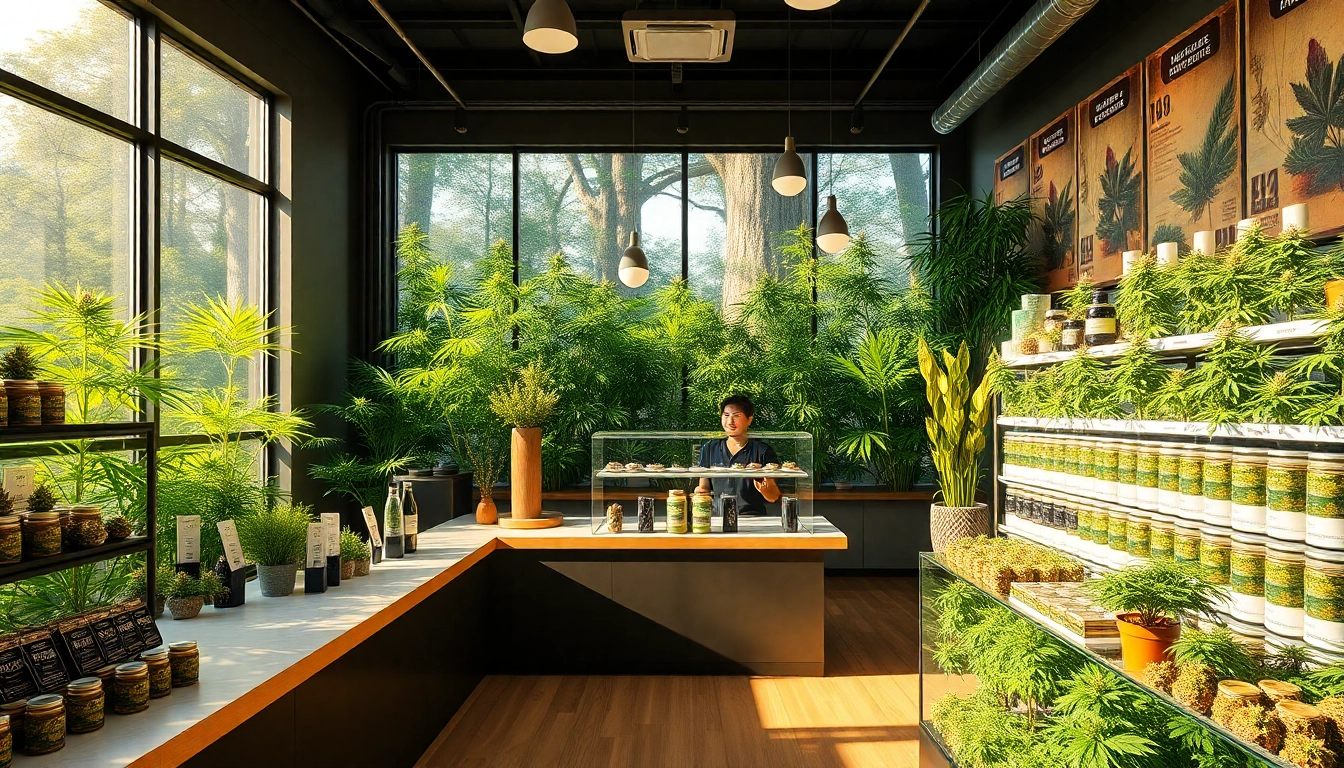
A comfortable shopping environment can make a significant difference in the customer experience at a Weed Store. Factors such as store layout, lighting, and overall ambiance contribute to how customers perceive the dispensary. Promoting a peaceful and inviting atmosphere allows customers to take their time exploring products, ultimately leading to higher satisfaction and likelihood of return visits.
Future Trends in Weed Store Industry
Impact of Technology on Weed Store Operations
The incorporation of technology into Weed Store operations has revolutionized the industry. Point-of-sale systems now integrate seamlessly with inventory management solutions, improving operational efficiency. Additionally, many stores are employing e-commerce platforms allowing customers to browse and order products online for pickup or delivery, catering to the growing demand for convenience. Virtual consultations and educational webinars are becoming prevalent, helping to further engage and educate consumers.
Changing Attitudes Towards Cannabis
As more regions legalize cannabis for recreational and medical use, societal attitudes toward cannabis are shifting. This cultural evolution is leading to a broader acceptance of cannabis, dispelling stigma and promoting its benefits. As this trend continues, Weed Stores are likely to play an increasingly important role as educational hubs, advocating for informed consumption and emphasizing the positive aspects of responsible cannabis use.
Potential for Growth and Community Engagement
Looking ahead, the potential for growth in the Weed Store industry appears robust. As consumer interest in cannabis products escalates, businesses that engage with their communities through outreach, education, and support for local events will establish themselves as integral parts of the neighborhood fabric. This involvement not only enhances a store’s reputation but also builds strong relationships with customers, fostering loyalty and support for the business.