What is CBD and How Does It Work?
Cannabidiol, commonly referred to as CBD, is a compound derived from the cannabis plant, specifically the hemp variety. Unlike its more famous relative THC (tetrahydrocannabinol), CBD is non-psychoactive and does not induce a “high.” This fundamental difference makes CBD a focus of interest for researchers and consumers alike, especially in recent times where there’s been a surge in both popularity and scientific inquiry surrounding its applications.
The Origins of CBD
The history of CBD dates back thousands of years, with evidence of its use for therapeutic purposes in ancient Chinese medicine. However, it wasn’t until the late 20th century that scientists began to isolate CBD as a distinct compound. The creation of the Endocannabinoid System (ECS) in the late 1990s further propelled research into cannabinoids like CBD, elucidating how they interact with receptors in the human body.
Chemical Properties of CBD
Chemically, CBD is categorized as a phytocannabinoid, which means it is a naturally occurring compound in plants. Its molecular formula is C21H30O2, with a structure that allows it to bind to cannabinoid receptors in the ECS. This interaction modulates a variety of physiological processes, such as pain sensation, mood, and immune system responses.
How CBD Interacts with the Human Body
Upon consumption, CBD enters the bloodstream and interacts with the ECS, composed of CB1 and CB2 receptors located throughout the central and peripheral nervous systems. Unlike THC, CBD does not bind directly to CB1 receptors but instead exerts its effects through indirect modulation, influencing other receptors and pathways. This multifaceted interaction may explain the diverse health benefits associated with CBD.
Benefits of CBD
Potential Health Benefits of CBD
Research continues to uncover potential health benefits of CBD. Some promising areas include:
- Anxiety Relief: Studies suggest that CBD can help reduce anxiety and improve mood disorders by interacting with serotonin receptors in the brain.
- Anti-Inflammatory Properties: CBD may alleviate inflammation, making it useful for conditions like arthritis and multiple sclerosis.
- Anti-Seizure Effects: Epidiolex, a CBD-based medication, has been approved for treating certain types of epilepsy.
- Heart Health: Some research indicates that CBD may benefit heart health, potentially lowering high blood pressure and reducing oxidative stress.
CBD in Pain Management
Chronic pain conditions, such as fibromyalgia or neuropathy, can significantly impact quality of life. CBD is gaining traction in the realm of pain management for its potential analgesic effects. Patients report varying levels of success when using CBD to manage their pain, suggesting it may work best as part of a broader treatment strategy.
CBD for Mental Health Support
Emerging studies reveal CBD’s potential role in supporting mental health. Alongside its anxiolytic effects, some evidence suggests it may be beneficial for individuals dealing with PTSD, depression, and even schizophrenia. The unique way in which CBD influences brain receptors may help in managing the symptoms of these complex conditions.
Safety and Side Effects of CBD
Common Side Effects of CBD Use
While many individuals tolerate CBD well, some may experience side effects. These can include:
- Dry mouth
- Fatigue
- Diarrhea
- Changes in appetite or weight
Most side effects are mild and temporary, but it’s essential to monitor personal reactions and consult healthcare professionals when necessary.
Interactions with Other Medications
CBD is known to interact with certain medications, particularly those that come with a “grapefruit warning.” This interaction is due to CBD’s effect on liver enzymes responsible for metabolizing various drugs. As such, anyone considering CBD should consult a healthcare provider, especially if they are taking other medications.
Regulatory Status of CBD Products
The regulatory landscape for CBD is complex and varies widely by jurisdiction. In many areas, CBD derived from hemp is legal, while products containing THC remain restricted or illegal. Understanding the laws governing CBD in specific locations is crucial for consumers to ensure compliance and safety.
How to Choose Quality CBD Products
Understanding CBD Labels and Dosages
When purchasing CBD products, understanding labels is key. Look for third-party lab testing to verify the potency and purity of products. Dosages can vary widely; it’s often recommended to start low and gradually increase until the desired effects are achieved. Proper labeling should also detail all ingredients, extraction methods used, and sources of the hemp.
Types of CBD Products Available
The market offers a range of CBD products catering to different preferences. Options include:
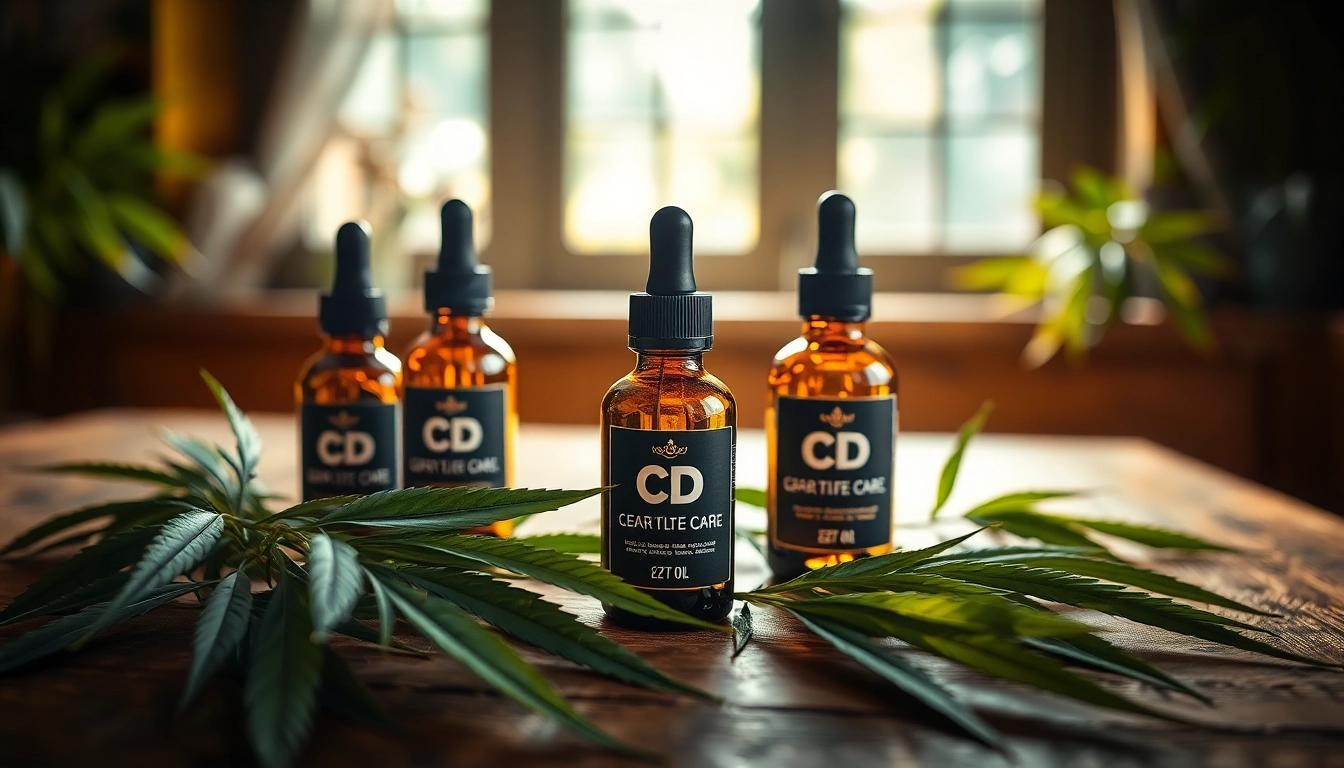
- Oils and Tinctures: These are versatile and allow for precise dosing.
- Edibles: CBD-infused gummies and snacks can deliver a convenient and tasty option.
- Topicals: Creams and balms formulated with CBD can be applied directly to the skin for targeted relief.
- Capsules: A straightforward way to consume CBD without the need for measuring doses.
Where to Purchase Reliable CBD Products
Consumers should be cautious when purchasing CBD. Look for reputable brands with transparent manufacturing practices, good customer reviews, and robust certifications. Purchasing from trusted online retailers or established health stores can provide an additional layer of assurance regarding product quality.
Using CBD: Practical Applications
Methods of Consumption
CBD can be consumed in various ways, each affecting the onset and duration of effects:
- Ingestion: Consuming CBD edibles or capsules allows for a longer duration of effects but requires metabolic processing.
- Sublingual: Oils or tinctures placed under the tongue can lead to faster absorption into the bloodstream.
- Topical Application: Used for localized relief, CBD creams can benefit skin conditions or sore muscles.
Dosage Recommendations
Determining the right dosage of CBD can be subjective and greatly depends on individual factors such as body weight, metabolism, and the specific condition being treated. Starting with a low dose of about 5-10 mg and gradually increasing while monitoring effects is often advisable. Consistency in dosing routines can enhance results.
Real-Life User Experiences with CBD
Numerous anecdotal reports exist detailing the experiences of individuals using CBD for various conditions. While personal testimonials should be taken with caution, they often provide insight into potential efficacy and user satisfaction. Connecting with online communities or support groups can offer additional perspectives and recommendations for those considering CBD.