



Introduction to CBD Oil
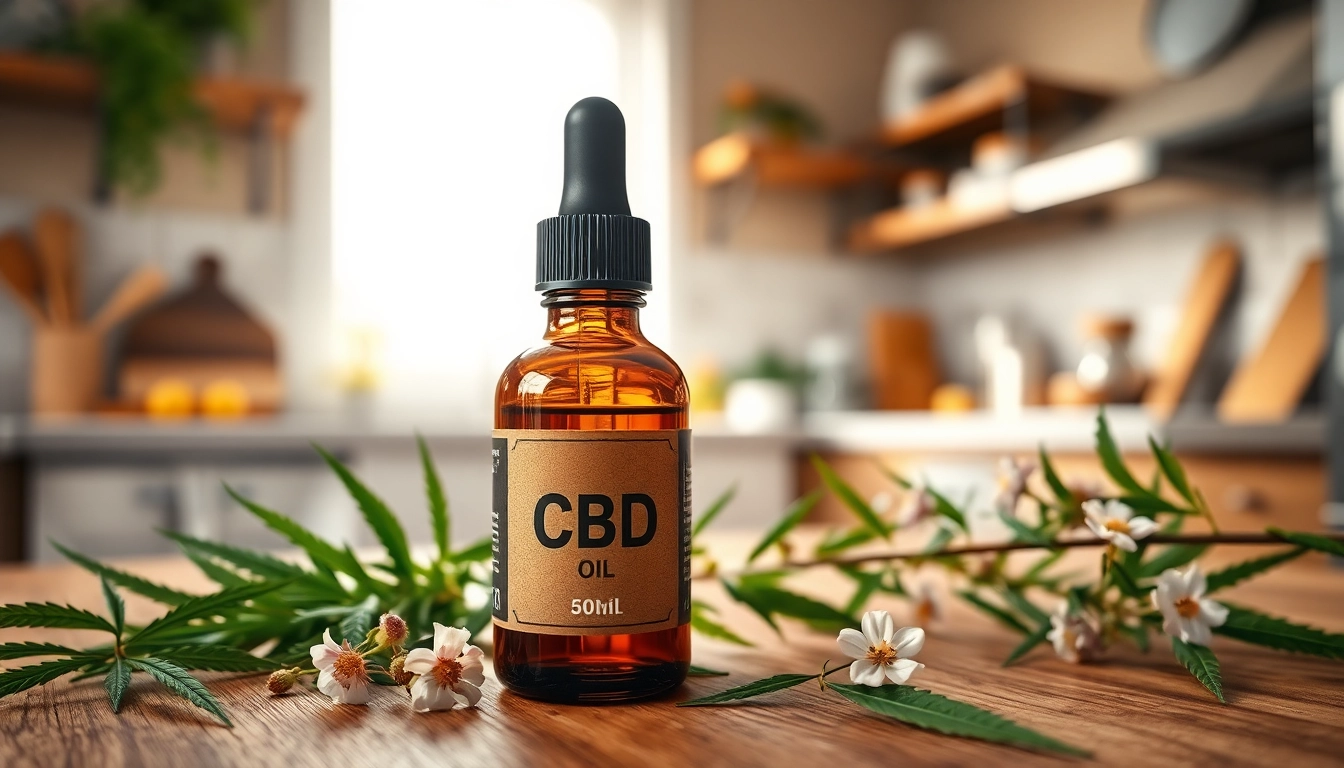
Cannabidiol (CBD) has rapidly gained recognition as a popular natural remedy for various health issues. As a CBD Oil derived from the cannabis plant, it offers potential benefits without the psychoactive effects commonly associated with tetrahydrocannabinol (THC). This article aims to provide an in-depth exploration of CBD Oil, encompassing its extraction, forms, health benefits, usage guidelines, safety considerations, and future trends in research and consumer awareness.
What is CBD Oil?
CBD Oil is a concentrated extract taken from the cannabis plant, primarily from hemp varieties that contain less than 0.3% THC. Unlike its cousin THC, CBD is non-psychoactive and instead interacts with the endocannabinoid system (ECS) in the body, which plays a crucial role in regulating functions such as sleep, appetite, mood, and immune response. This interaction is what underlies many of the therapeutic claims associated with CBD products.
How is CBD Oil Extracted?
The extraction process of CBD Oil is vital to ensuring its purity and efficacy. Various methods are employed to extract CBD from the cannabis plant, with the most common being:
- CO2 Extraction: This method uses carbon dioxide under high pressure to extract CBD, resulting in a potent oil that is free from solvents and contaminants. It is considered the gold standard in the industry.
- SOLVENT EXTRACTION: Solvents like ethanol or butane can be used to dissolve the plant material, separating the desirable cannabinoids.However, the potential for residual solvent contamination exists.
- OLIVE OIL EXTRACTION: A more traditional method, this process involves heating the plant material in olive oil, producing a safe and natural product, albeit less concentrated.
Common Forms of CBD Oil
CBD Oil is available in various forms to suit individual preferences. Common forms include:
- Tinctures: Concentrated oil drops available in various strengths, typically taken sublingually.
- Capsules: Pre-measured doses for those who prefer convenience and consistency.
- Topicals: Creams and lotions infused with CBD, ideal for localized relief of pain or inflammation.
- Edibles: Foods or beverages infused with CBD, offering a tasty alternative to traditional forms.
Health Benefits of CBD Oil
The science behind CBD Oil is continually evolving, with numerous studies indicating a variety of potential health benefits. Here we explore some of the most prominent:
Relief from Chronic Pain
One of the most widely recognized applications of CBD Oil is its ability to provide relief from chronic pain. Studies suggest that CBD may help reduce inflammation by interacting with neurotransmitters, making it a potent alternative for individuals with conditions like arthritis, multiple sclerosis, and fibromyalgia.
Reducing Anxiety and Stress
CBD Oil has garnered attention for its anxiolytic properties, with research demonstrating its effectiveness in reducing anxiety levels. By influencing the serotonin receptors in the brain, CBD may improve mood and alleviate feelings of stress. This benefit is particularly significant for individuals suffering from conditions like generalized anxiety disorder and social anxiety disorder.
Potential Neuroprotective Properties
Emerging evidence suggests that CBD Oil may possess neuroprotective properties, potentially beneficial for those facing neurodegenerative disorders such as Alzheimer’s and Parkinson’s disease. By promoting cell survival and reducing neuroinflammation, CBD could be instrumental in the development of new treatment options for these challenging conditions.
How to Use CBD Oil Effectively
To maximize the benefits of CBD Oil, understanding how to use it effectively is crucial. Here are some key factors to consider:
Determining the Right Dosage
Finding the optimal dosage can vary significantly between individuals due to factors such as body weight, metabolism, and the specific condition being treated. Starting with a low dose and gradually increasing until the desired effects are achieved is generally recommended. Consulting with a healthcare professional may provide tailored guidance.
Different Consumption Methods
Different methods of consumption can influence the onset and intensity of effects. Sublingual tinctures often yield faster results, while capsules and edibles provide longer-lasting effects but take longer to kick in. Topical applications are suitable for localized relief.
Tips for Incorporating CBD Oil into Your Routine
Integrating CBD Oil into your daily regimen can be seamless with a few simple strategies:
- Choose a consistent time for taking the oil to establish a routine.
- Combine CBD with other wellness practices, such as meditation or yoga, for enhanced effects.
- Keep a journal to track your dosage, timing, and effects to fine-tune your routine.
Safety and Side Effects of CBD Oil
While CBD Oil is generally well-tolerated, it is crucial to understand potential side effects and safety considerations.
Understanding Potential Side Effects
Common side effects of CBD Oil include fatigue, changes in appetite, and gastrointestinal disturbances. Adverse reactions are rare, particularly when CBD is sourced responsibly, but monitoring one’s body’s response is essential when starting.
Safety Considerations for Different Users
Special populations, including pregnant or breastfeeding women, individuals with liver diseases, or those taking certain medications, should consult a healthcare professional before using CBD Oil. Interactions with medications may occur, underscoring the importance of professional guidance.
Legal Status of CBD Oil
The legal status of CBD Oil varies by region, influenced by the source plant and THC concentrations. In the United States, hemp-derived CBD is federally legal, though state laws may differ. Always check local regulations before purchasing or using CBD products.
Conclusion and Future of CBD Oil
The horizon of CBD Oil appears promising, reflecting ongoing advancements in research and consumer awareness.
Research Trends in CBD Oil
With an increase in funding and interest, the scientific landscape surrounding CBD Oil continues to grow. More clinical trials are being conducted to explore its efficacy and safety across various applications. This research is vital for establishing standardized dosages and therapeutic guidelines.
Consumer Awareness and Education
As CBD Oil gains popularity, so does the necessity for educating consumers regarding its benefits, potential risks, and proper usage. Reliable sources and transparent product labeling will enhance consumer trust and decision-making.
Final Thoughts on Integrating CBD Oil into Health Regimens
Integrating CBD Oil into health and wellness routines holds significant potential, particularly for those seeking natural alternatives. While its benefits are increasingly acknowledged, it remains crucial to approach usage with informed caution. As research continues to unfold, consumers can expect a more robust understanding of this remarkable compound.