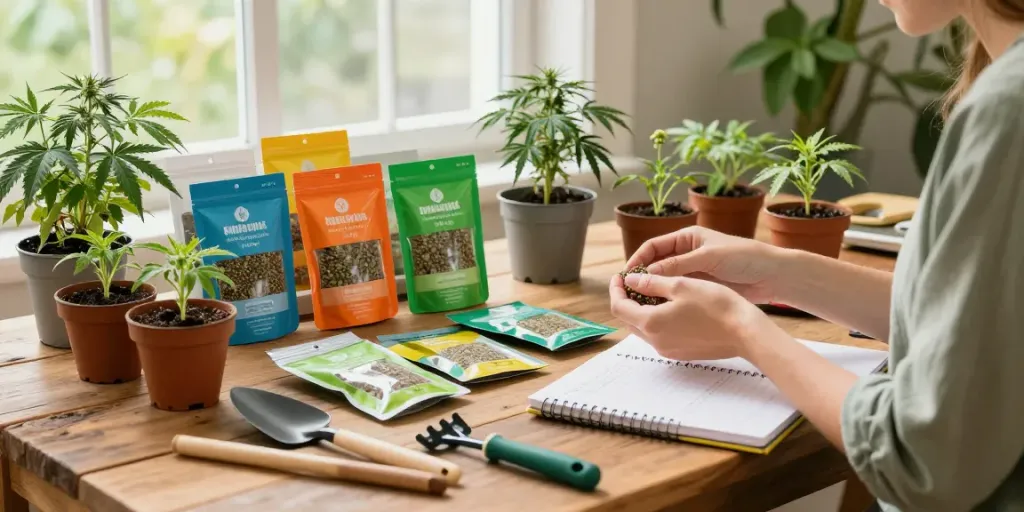
Understanding Cannabis Seed Varieties
In the world of cannabis cultivation, selecting the right seeds is crucial to ensure a successful grow. With the increasing popularity of cannabis across various regions, understanding the different types of cannabis seeds available has never been more important. From feminized to autoflowering, each variety has its unique characteristics, catering to different growers' needs and preferences. As you embark on your journey to shop cannabis seed varieties, it's essential to grasp the fundamental differences and benefits of each type.
What Are Cannabis Seed Types?
Cannabis seeds are typically categorized into three main types: regular, feminized, and autoflowering. Each type serves a specific purpose, and understanding these distinctions allows growers to make informed decisions based on their cultivation goals.
- Regular Seeds: These seeds produce both male and female plants. While male plants are essential for breeding and maintaining genetic diversity, they do not produce the flowers sought after by most cannabis cultivators. Growers often use regular seeds for breeding purposes or when the goal is to create new strains.
- Feminized Seeds: These seeds are specially bred to develop into female plants, which are the ones that produce the cannabinoid-rich flowers. Feminized seeds are popular among growers looking to maximize yield without the risk of male plants, which can pollinate females and reduce the overall quality of the harvest.
- Autoflowering Seeds: This innovative seed type allows plants to transition from the vegetative stage to the flowering stage based on age rather than light exposure. Autoflowering seeds are ideal for growers who want quicker harvests and may not have the capacity to manage light schedules.
Feminized vs Regular Seeds Explained
Feminized seeds are a favorite choice for many cultivators, especially beginners. By eliminating the need to identify and remove male plants, growers can focus their efforts on nurturing their female plants to produce larger, more potent flowers. In contrast, regular seeds offer a broader genetic variety, which can be beneficial for those looking to create unique hybrids. Understanding the specific needs of your grow operation will help you decide between feminized and regular seeds based on your goals.
The Benefits of Autoflowering Seeds
Autoflowering seeds are particularly advantageous for those who live in regions with shorter growing seasons. As they mature quickly, these seeds can produce harvests in as little as eight weeks from germination. Additionally, they are generally easier to manage as they require less precise light control. This means they can be grown indoors or outdoors with minimal intervention, making them perfect for novice and time-constrained growers alike.
How to Choose the Right Cannabis Seeds
Selecting the right cannabis seeds involves considering several factors that will impact your cultivation experience. These factors include your growing environment, the desired effects from your harvest, and the specific genetic traits of the seeds you are considering.
Consider Your Growing Environment
Your choice of seeds should reflect the conditions in which you plan to cultivate them. Indoor growers may prefer strains that thrive in controlled environments, while outdoor growers might look for seeds that can withstand varying weather conditions. Factors such as space, light availability, and climate can significantly influence the growth trajectory of your plants.
Assessing THC and CBD Levels
Understanding the cannabinoid profile of your chosen strains is vital. THC is known for its psychoactive effects, while CBD is favored for its therapeutic benefits. Depending on your personal preferences or medicinal needs, you can select seeds with high THC content or those that are CBD-forward. Comparing published cannabinoid levels can provide insight, but remember that individual plants might express different effects based on their phenotype and growing conditions.
Comparing Strain Effects and Flavors
Different cannabis strains will offer unique flavor profiles and effects. For instance, some strains may induce relaxation, while others may enhance creativity or focus. When browsing options, consider leveraging detailed strain profiles that describe expected effects and flavors. This can significantly impact your overall satisfaction with the harvest.
Buying Cannabis Seeds Online
As the market for cannabis seeds expands, buying seeds online has become a popular option. However, choosing the right source is critical to ensure quality and legality.
Where to Shop for Quality Seeds
When browsing online, look for reputable seed banks that offer detailed information about their products. A quality seed bank should provide information about seed genetics, breeder provenance, and customer reviews. This transparency helps you verify the quality and reliability of the seeds you are purchasing.
Understanding Seed Bank Reputation
Before making a purchase, it's wise to assess the reputation of the seed bank. Look for reviews from other customers to gauge their experiences. A well-established seed bank will have a history of customer satisfaction and a track record of successful germination rates. Furthermore, check if they offer guarantees or warranties on their seeds.
Checking for Legal Compliance
Each region has its own laws regarding the sale, possession, and cultivation of cannabis seeds. It is imperative to ensure that the seed bank complies with local regulations to avoid legal issues. Always research the legal standing of cannabis in your area before making any purchases.
Germination and Growth Tips
Successfully growing cannabis from seeds requires careful attention to germination and subsequent care. Implementing best practices can lead to healthier plants and higher yields.
Best Practices for Germinating Cannabis Seeds
There are several methods for germinating cannabis seeds, including the paper towel method, direct soil planting, or using starter cubes. Each method has its advantages, but the goal is to provide the optimal moisture and temperature for seed sprouting. Once germination occurs, allow the seedlings to acclimate gradually to their growing environment.
Understanding Seedling Care
Once seedlings emerge, they need proper attention. Ensure they receive adequate light (but not too much, as they are sensitive at this stage). Water them carefully, allowing the top layer of soil to dry out before the next watering to prevent damping-off disease, a common issue that affects tender seedlings.
Common Mistakes to Avoid During Growth
First-time growers often make mistakes that can negatively impact their yield. Overwatering, underestimating light needs, and neglecting nutrient feedings are among the most common pitfalls. Continuously educate yourself on the specific needs of your chosen strains for the best outcomes.
Future Trends in Cannabis Seed Development
The cannabis industry is rapidly evolving, with ongoing advancements in breeding technology and genetics. Looking toward the future, several trends are emerging that will shape the landscape of cannabis cultivation.
Emerging Cannabis Genetics Techniques
Innovative genetic techniques, such as CRISPR, are beginning to make their way into cannabis breeding. These technologies promise to create more resilient strains that can thrive in challenging environments or feature enhanced characteristics, such as improved flavor profiles or higher cannabinoid content.
What to Expect in 2026 Cannabis Breeding
As we look ahead to 2026, advances in breeding could yield strains with extremely tailored effects and flavors. Consumers will likely benefit from more options that suit specific preferences and medicinal needs. Additionally, the increased focus on sustainable practices may drive the development of seeds that require fewer resources to grow successfully.
Impact of Technology on Cannabis Cultivation
Technology will play a crucial role in the future of cannabis cultivation, from automated growing systems to advanced data analytics for monitoring plant health. These innovations will enable growers to optimize their practices and achieve better yields while minimizing resource consumption.