Understanding CBD and Its Benefits for Canadians
Cannabidiol (CBD) has emerged as a leading wellness supplement among Canadians, providing a natural alternative for a range of health issues from anxiety to chronic pain. As the stigma surrounding cannabis diminishes, more Canadians are exploring the numerous benefits of CBD oil, which is derived from the hemp plant. With over 10,000 satisfied customers and a mission to serve the Canadian community, brands like CBDNorth are dedicated to offering high-quality, organic CBD products that meet the needs of diverse users across the country. When exploring options, cbd canada provides comprehensive insights into the best practices for utilizing these beneficial compounds.
What is CBD and How Does It Work?
CBD is one of over 100 cannabinoids found in cannabis plants, playing a crucial role in wellness by interacting with the body's endocannabinoid system (ECS). This system is responsible for regulating various physiological and cognitive processes, including pain, mood, appetite, and immune response. Unlike THC, another well-known cannabinoid, CBD does not produce psychoactive effects. Instead, it offers therapeutic effects without the “high” that typically accompanies cannabis usage.
When consumed, CBD binds to cannabinoid receptors in the ECS, which can lead to reduced inflammation, improved mood, and enhanced overall well-being. This unique interaction has made CBD a subject of extensive research, focusing on its potential benefits for various conditions.
Key Benefits of Using CBD Oil
- Anxiety and Stress Relief: Many users report significant reductions in anxiety and stress levels after incorporating CBD into their daily routines. Studies suggest that CBD may influence serotonin receptors in the brain, which can help improve mood and reduce anxiety symptoms.
- Improved Sleep Quality: CBD is gaining recognition for its potential to enhance sleep quality. By addressing factors such as anxiety and pain, CBD can help users achieve deeper, more restorative sleep.
- Pain Management: CBD oil is increasingly used as a natural remedy for chronic pain, including arthritis and neuropathic pain. Its anti-inflammatory properties can help alleviate discomfort without the side effects associated with traditional pain medications.
- Support for Skin Conditions: With its anti-inflammatory and antioxidant properties, CBD can also support skin health, proving beneficial for conditions like psoriasis and eczema.
Understanding the Difference: Full Spectrum vs. THC-Free
When choosing CBD products, understanding the difference between full-spectrum and THC-free options is crucial. Full-spectrum CBD oil contains all the cannabinoids found in cannabis, including trace amounts of THC. This combination allows users to experience the “entourage effect,” where various cannabinoids work together synergistically to enhance therapeutic benefits.
On the other hand, THC-free products use CBD isolate, which is ideal for those who wish to avoid THC entirely due to personal preferences or legal considerations. Each type serves different user needs and preferences, allowing for a tailored approach to wellness.
Choosing the Right CBD Product for Your Needs
Selecting the appropriate CBD product involves understanding your health goals and identifying which format best suits your lifestyle. With various options like oils, capsules, edibles, and topicals available, it’s essential to consider how you plan to integrate CBD into your daily routine.
Identifying Your Health Goals and Preferences
Before choosing a CBD product, take the time to identify your primary health goals. Are you looking for relief from anxiety, improved sleep, or pain management? Each purpose may require a different approach. For example, those seeking immediate relief may prefer CBD oils or tinctures, which are absorbed quickly, whereas users looking for long-lasting effects might find CBD edibles more suitable.
How to Read CBD Product Labels Effectively
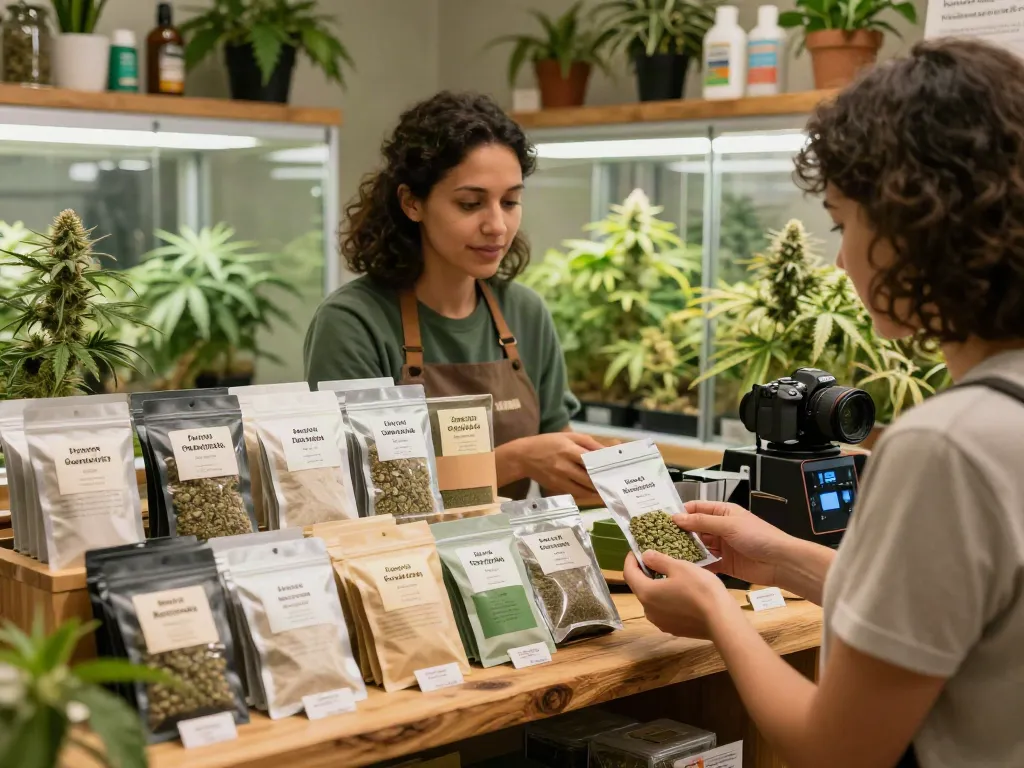
Understanding product labels is crucial when navigating the CBD market. Look for information regarding the source of the hemp, extraction methods, third-party lab testing results, and cannabinoid concentrations. This information can help you gauge the quality and efficacy of the product. Always opt for products that provide transparency and detailed lab results to ensure you are getting a safe and effective product.
Determining the Best Dosage for Your Lifestyle
Finding the right dosage of CBD is essential for maximizing its benefits. Start with a low dose and gradually increase it until you find the amount that works best for you. Keep in mind that factors such as body weight, individual body chemistry, and the method of consumption can affect how CBD interacts with your system.
Common Mistakes to Avoid When Using CBD
Despite the growing popularity of CBD products, many users inadvertently make mistakes that can hinder their experience. Understanding common pitfalls can enhance your CBD journey and ensure you reap its full benefits.
Misconceptions About CBD and Its Effects
A significant misconception surrounding CBD is that it produces a "high." As mentioned earlier, CBD is non-psychoactive, meaning it will not alter your mental state. Additionally, users should understand that results can vary significantly based on individual body chemistry and the specific condition being addressed.
Overlooking Quality: What to Look for in Products
Choosing low-quality products can lead to adverse effects or negligible results. Always opt for products made from organic hemp and ensure they are third-party tested to confirm potency and purity. Look for certifications or lab reports from reputable companies to validate product claims.
Improper Usage and Dosing Practices
Some users mistakenly believe that more is better, leading them to take excessively high doses of CBD. This can result in side effects such as dry mouth, fatigue, or gastrointestinal discomfort. Always start low and increase slowly while monitoring your body's response.
Integrating CBD into Your Daily Routine
Successfully incorporating CBD into your lifestyle requires some planning. Establishing a routine can help you remember to take your supplements regularly while ensuring consistency in dosing.
Best Practices for Using CBD Products
To maximize the benefits of CBD, consider the following best practices:
- Incorporate CBD into your daily wellness routine, such as taking it at the same time each day.
- Document your experiences and effects to fine-tune your dosage and product selection.
- Consult with a healthcare professional, especially if you have existing health concerns or are taking medications.
Creating a Personalized CBD Schedule
Creating a personalized schedule involves timing your doses based on your daily activities and wellness goals. For instance, if you’re using CBD to alleviate anxiety, consider taking it in the morning to promote calmness throughout the day. Conversely, if your goal is to improve sleep quality, take your CBD in the evening.
Combining CBD with Other Wellness Techniques
CBD can work harmoniously with other wellness approaches, such as yoga, meditation, or dietary changes. Explore various techniques to enhance your overall well-being, leveraging the synergistic effects of combining practices for optimal results.
Future Trends in the CBD Market in Canada
The CBD market in Canada is evolving rapidly, with innovations and trends shaping how products are formulated and consumed. As awareness grows, so does the demand for high-quality, effective solutions.
Innovations in CBD Product Forms and Uses for 2026
Emerging trends for 2026 include new product forms such as nanosorb CBD, which enhances absorption and bioavailability. Companies are also exploring innovative combinations of CBD with other compounds like adaptogens and superfoods to create synergistic supplements.
Predicted Changes in Regulation and Consumer Awareness
As the legal landscape for cannabis continues to evolve, regulatory changes may impact how CBD products are marketed and sold. Increased consumer awareness and education around the benefits and uses of CBD can lead to a more informed public, paving the way for broader acceptance and usage.
How Canadians Are Influencing Global CBD Trends
Canadians are at the forefront of the CBD market, setting trends that resonate globally. As research continues and public acceptance grows, Canada’s approach to CBD could influence regulatory changes and marketplace dynamics internationally. With a focus on quality and safety, Canadian brands are positioned to lead the way in global CBD standards.
What is CBD?
CBD is a natural compound derived from hemp, known for its potential therapeutic benefits without psychoactive effects.
Can CBD help with anxiety?
Research suggests that CBD may help reduce anxiety by interacting with serotonin receptors in the brain, providing a calming effect.
Is CBD Canada legal for personal use?
Yes, CBD products are legal for personal use in Canada for individuals aged 19 and older. Regulations stipulate quality and safety standards for consumption.
How to find quality CBD products in Canada?
Look for products that provide third-party lab results, use organic hemp, and are transparent about their ingredients and sourcing.
What to look for in a CBD supplier?
Choose suppliers that prioritize quality, safety, and transparency. Check for customer reviews, lab certifications, and track record within the industry.