
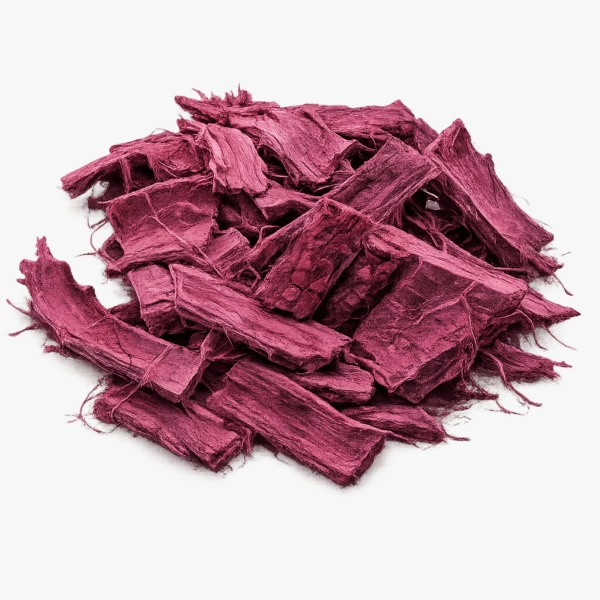
MHRB for sale is a search term often used by people looking for responsibly sourced Mimosa tenuiflora botanical material. When evaluating MHRB for sale , sustainability, traceability, species identification, and ethical harvesting should be considered alongside product quality. Responsible MHRB for sale practices can help support conservation while encouraging transparent relationships between suppliers, harvesters, and local communities. For anyone researching MHRB for sale, understanding how botanical materials are harvested and transported provides a more informed approach to purchasing and sourcing.
Understanding Mimosa Hostilis and Its Natural Environment
Mimosa tenuiflora, historically known as Mimosa hostilis, is a resilient leguminous tree associated particularly with northeastern Brazil and other parts of tropical Latin America. It can survive in relatively dry environments and is recognized for its ability to establish itself in challenging landscapes.
The plant's adaptability does not mean that harvesting should be unrestricted. Root and bark collection can affect individual plants, particularly when harvesting involves substantial removal of underground material. Sustainable botanical sourcing therefore requires an understanding of local ecosystems, regeneration rates, and appropriate collection practices.
Why Habitat Matters
A responsible approach to MHRB for sale begins with knowledge of where the botanical material originates. Geographic information can help buyers understand the environmental conditions surrounding cultivation or wild harvesting.
Suppliers should ideally be able to provide general information about the source region and harvesting system. Transparent sourcing reduces uncertainty and encourages greater accountability throughout the botanical supply chain.
What Responsible Sourcing Means
Responsible sourcing involves more than simply finding botanical material at a low price. A responsible MHRB for sale supplier should consider environmental protection, traceability, quality control, worker welfare, and compliance with applicable laws.
Sustainable sourcing can involve cultivated plants, carefully managed wild populations, or harvesting systems designed to minimize damage to surrounding vegetation. The appropriate approach depends on regional ecological conditions and local agricultural practices.
Traceability From Source to Customer
Traceability is an important component of responsible botanical commerce. A supplier offering MHRB for sale should maintain useful records concerning sourcing regions, harvest dates where applicable, processing, storage, and distribution.
Traceability can also help identify problems within the supply chain. If contamination, misidentification, or questionable harvesting practices are discovered, documented sourcing information makes it easier to investigate and correct the issue.
Sustainable Harvesting Practices
Root bark harvesting deserves particular attention because removing underground plant material can be more disruptive than collecting renewable surface materials. Sustainable harvesting should therefore avoid unnecessary destruction of mature plants and should account for the plant's ability to regenerate.
For suppliers involved in MHRB for sale, environmental responsibility should be incorporated into procurement policies rather than treated as an optional marketing feature.
Minimizing Ecological Damage
Sustainable collection may involve selecting appropriate plants, avoiding sensitive habitats, limiting harvesting intensity, and protecting surrounding vegetation. Harvesters should also avoid damaging nearby seedlings and young plants that contribute to future regeneration.
Where cultivation is practical, managed production can provide another pathway for reducing pressure on wild populations. Cultivation also has the potential to provide more consistent material and improve supply-chain traceability.
Supporting Local Communities
Ethical botanical sourcing should consider the people involved in collecting, processing, and distributing plant materials. Local communities may possess valuable knowledge about regional vegetation, seasonal conditions, and traditional resource management.
A responsible MHRB for sale business can contribute positively by developing transparent purchasing relationships and ensuring that suppliers and workers are treated fairly. Long-term partnerships may provide greater stability than short-term purchasing arrangements based solely on the lowest available price.
Respect for Traditional Knowledge
Mimosa tenuiflora has a history of traditional use in parts of Latin America. Commercial interest should not erase or misrepresent that cultural history.
Businesses involved in MHRB for sale should present traditional knowledge accurately and avoid making unsupported medical claims. Respectful communication is particularly important when commercial products are connected with plants that have longstanding cultural significance.
Quality, Identification, and Authentication
Sustainability and quality are closely connected. Incorrect plant identification can create ecological and commercial problems, while poor storage or processing can reduce the quality of botanical material.
When evaluating MHRB for sale, buyers should look for clear botanical identification and transparent product descriptions. The accepted scientific name, plant part, geographic sourcing information, and basic quality documentation can provide useful indicators of responsible commerce.
Avoiding Misidentified Botanical Material
Common names can vary between regions, and older scientific names may still appear in commercial descriptions. Mimosa hostilis is an established historical name associated with Mimosa tenuiflora, so reputable suppliers should make the relationship between these names clear.
Clear labeling helps reduce confusion and supports better documentation throughout the supply chain.
Packaging and Storage Considerations
Responsible sourcing does not end when harvesting is completed. Proper packaging and storage can reduce waste and preserve botanical materials during transportation.
Suppliers advertising MHRB for sale should use packaging suitable for protecting dried plant material from excessive moisture, contamination, and environmental exposure. Good inventory practices can also reduce unnecessary product losses.
Reducing Waste
Sustainable businesses should consider the entire product lifecycle. Efficient packaging, appropriate storage, responsible inventory management, and recyclable materials where practical can reduce environmental impacts.
Buyers can also support responsible commerce by selecting suppliers that demonstrate thoughtful packaging and clear information rather than excessive disposable materials.
Evaluating an MHRB for Sale Supplier
A supplier's transparency can reveal a great deal about its approach to sustainability. Before purchasing MHRB for sale, customers can review whether the business provides meaningful information about botanical identity, sourcing regions, quality practices, and legal compliance.
Claims such as "premium," "natural," or "sustainable" are less useful when they are not supported by specific information. Responsible suppliers should be willing to explain their general sourcing standards without making exaggerated environmental claims.
Questions Worth Asking
Potential customers researching MHRB for sale can consider several questions:
Where is the botanical material sourced?
Is the species clearly identified?
Is harvesting wild, cultivated, or a combination of both?
What measures are used to reduce environmental damage?
How is the material packaged and stored?
Does the supplier comply with applicable local and international regulations?
These questions help distinguish transparent botanical commerce from vague product marketing.
Legal and Regulatory Responsibility
Botanical products can be subject to different rules depending on the country, intended use, plant material, and method of sale. Regulations can also change over time.
Anyone purchasing or importing MHRB for sale should verify the laws that apply in their own jurisdiction. Suppliers should likewise maintain appropriate documentation and avoid making claims that conflict with applicable regulations.
Responsible sourcing includes legal compliance because environmental and commercial sustainability depend on operating within established rules.
The Future of Sustainable Botanical Supply Chains
Growing interest in natural plant materials creates both opportunities and challenges. Demand can encourage better cultivation and rural income, but unmanaged demand can also increase pressure on wild resources.
The future of MHRB for sale should therefore emphasize traceability, ecological stewardship, responsible harvesting, ethical commerce, and accurate information. Digital supply-chain records, improved botanical identification, and stronger relationships with producing communities may further improve transparency.
Building Long-Term Sustainability
Sustainable botanical commerce works best when environmental protection and economic value are considered together. Supporting responsible producers can encourage better land management while providing reliable income for people connected to the supply chain.
Businesses selling MHRB for sale can contribute by establishing sourcing standards, documenting suppliers, reducing waste, and communicating honestly with customers.
Frequently Asked Questions
1. What does responsible sourcing mean for MHRB for sale?
Responsible sourcing means obtaining botanical material through practices that consider environmental conservation, traceability, ethical labor, quality, and applicable regulations. It goes beyond simply offering a low-cost product.
2. Is wild harvesting always sustainable?
No. Sustainability depends on harvesting intensity, plant regeneration, habitat conditions, local management practices, and the specific plant part collected. Root harvesting can require particular care because it may affect the survival of individual plants.
3. How can buyers evaluate an MHRB for sale supplier?
Buyers can look for transparent botanical identification, sourcing information, quality documentation, appropriate packaging, sustainability policies, and clear legal compliance information. Vague environmental claims should be treated cautiously.
4. Why is traceability important?
Traceability helps establish where botanical material originated and how it moved through the supply chain. It can support quality control, accountability, and investigation when sourcing or product issues arise.
5. Does sustainable sourcing support local communities?
It can. Fair purchasing relationships, responsible employment practices, long-term supplier partnerships, and respect for local knowledge can help create economic benefits while encouraging better stewardship of natural resources.
Conclusion
Sustainability should be an essential consideration when evaluating MHRB for sale. Responsible sourcing combines ecological awareness, transparent supply chains, accurate botanical identification, ethical business relationships, quality management, and legal compliance. Rather than focusing exclusively on price or appearance, buyers can look for suppliers that demonstrate meaningful sourcing standards and environmental responsibility. As interest in botanical materials continues to grow, sustainable practices can help protect natural resources while supporting the communities and businesses connected to responsible plant commerce.