The Evolution of Turbofan Engines
The development of turbofan engines has seen significant innovations over the decades, enabling advancements in both military and commercial aviation. One such notable advancement is the Kuznetsov NK 88, which represents a critical point in the evolution of engine technology. This article examines the historical context, technological innovations, and overall impact of the NK 88 on the aviation industry. As we dive deeper, it’s crucial to understand how this engine fits into a lineage of engineering prowess, influencing designs that prioritize efficiency and performance.
To explore the full story of NK 88 and its capabilities, visit NK 88 for detailed insights.
Historical Context of the NK Series
The NK engine series, developed by the Kuznetsov Design Bureau, has a storied history that reflects the changing demands of aviation. The NK series began in the mid-20th century, with a focus on military applications, particularly in Soviet aircraft. The NK 88, introduced in the late 20th century, was an experimental alternative fuel engine that aimed to leverage innovative fuel sources, aligning with the growing emphasis on environmental considerations. This evolution in design was driven not only by technological advancements but also by geopolitical factors that shaped military aviation needs.
Key Innovations in the NK 88
The NK 88 engine brought several groundbreaking innovations that set it apart from its predecessors. Notably, this engine featured a unique combustion chamber design that optimized fuel usage while minimizing emissions. By experimenting with hydrogen as a fuel source, the NK 88 pushed the boundaries of conventional turbofan technology. This experimental engine was crucial for the development of future hypersonic flight technologies, showcasing how innovative approaches can revolutionize the aerospace industry.
Comparison with Contemporary Engines
Compared to engines like the GE F414 or the Pratt & Whitney F119, the NK 88’s emphasis on alternative fuels offers a unique perspective on engine development. Contemporary engines primarily focus on thrust and efficiency, but the NK 88's design considered environmental impacts, heralding a new era of fuel-efficient technologies. Such comparisons reveal the NK 88’s potential applicability in modern aviation, particularly as the industry gravitates towards sustainable practices.
Understanding the Technology Behind NK 88
Components and Mechanics of the NK 88
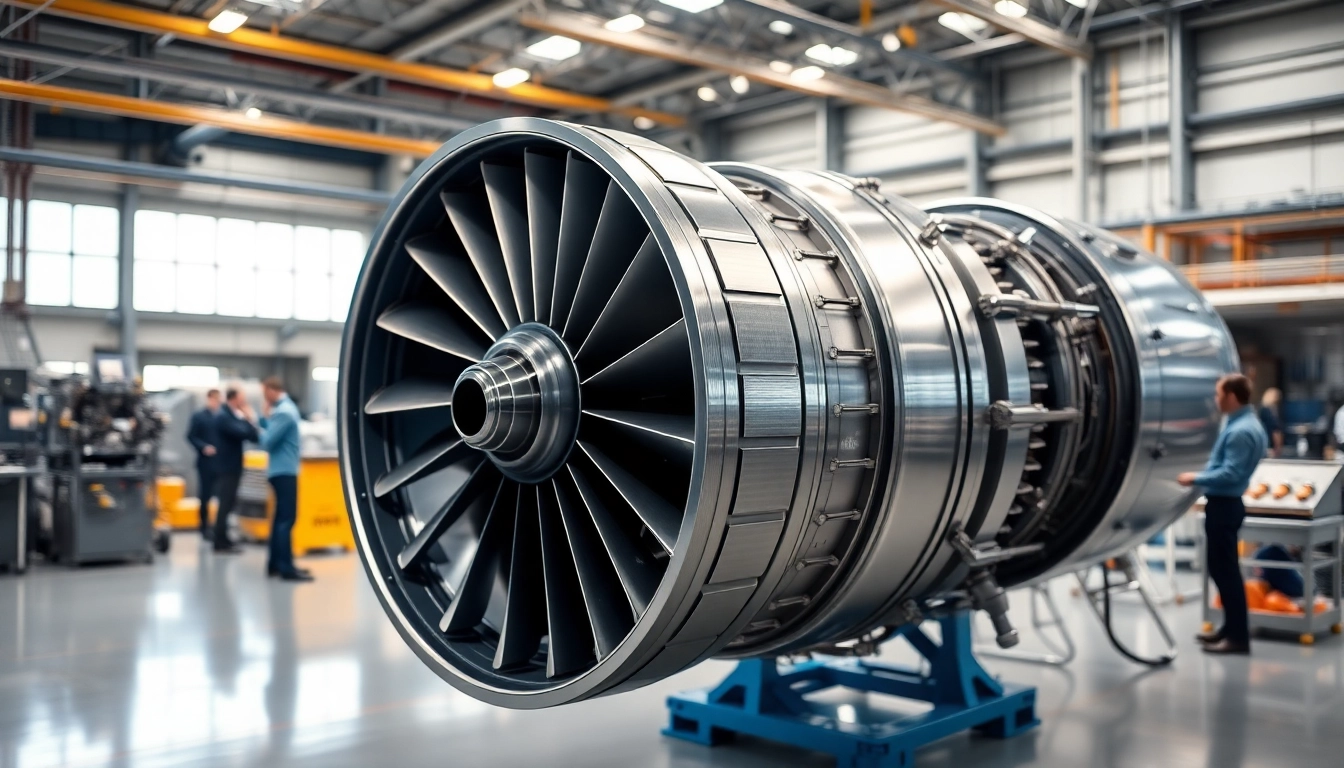
The construction of the NK 88 engine features advanced materials and innovative engineering. Key components include its turbine blades, which use superalloys designed to withstand high temperatures while decreasing weight. The engine's design also emphasizes a streamlined airflow pathway, which enhances overall performance and efficiency. Together, these features make the NK 88 a remarkable study in modern turbofan technology.
Fuel Efficiency and Environmental Impact
As global aviation faces increasing scrutiny over its environmental impact, the NK 88 serves as a pioneering model in the exploration of alternative fuels. By utilizing hydrogen, the engine not only aims to reduce carbon emissions but also enhances fuel efficiency, an essential factor for future aviation designs. The lessons learned from the NK 88 are vital for future engines, as they pave the way for a sustainable aviation framework.
Performance Metrics and Testing Procedures
The performance metrics of the NK 88 are evaluated through rigorous testing protocols, including thrust-to-weight ratio assessments and fuel consumption evaluations. These tests help engineers determine the efficiency and reliability of the engine under various operating conditions. Furthermore, real-world testing scenarios provide invaluable data that inform future engine designs, ensuring that the evolution of turbofan technology continues to meet the demands of modern aviation.
Applications of the NK 88 in Modern Aviation
Use Cases in Military Aviation
The NK 88 holds significant promise for military aviation, particularly in the development of next-generation fighter jets. Its high performance and adaptability to alternative fuels make it an attractive option for militaries seeking to enhance operational capabilities while reducing their carbon footprint. The insights gained from the NK 88’s development are likely to influence future military aerospace projects, aligning with a global trend towards sustainability in armed forces.
Civil Aviation and Commercial Applications
In the realm of civil aviation, the NK 88's technologies could potentially transform commercial air travel. The emphasis on fuel efficiency and reduced emissions aligns with the goals of airline operators and regulatory bodies. As airlines increasingly adopt greener technologies, the principles demonstrated in the NK 88 may become integral to new aircraft designs aimed at minimizing their environmental impact.
Future Prospects of the NK 88
Looking ahead, the future of the NK 88 is bright, especially as aviation technology increasingly incorporates sustainable practices. The engine's innovative designs are likely to influence future generations of turbofans, particularly as more focus shifts towards reducing the aviation sector's carbon footprint. Additionally, ongoing research and development could lead to further advancements in alternative fuel usage, cementing the NK 88’s legacy in the industry.
Challenges in Turbofan Development
Technical Challenges Faced by Engineers
While the NK 88 showcases remarkable innovations, it also highlights the technical challenges faced by engineers in the aviation field. The integration of alternative fuels presents unique engineering hurdles, including material compatibility and performance reliability in varying environmental conditions. Addressing these issues is critical to ensuring the success and efficacy of future jet engines.
Market Competition and Industry Trends
The market for turbofan engines remains highly competitive, with industry giants like Rolls-Royce and General Electric leading the charge. The NK 88, despite its innovations, must contend with established players and their resources. Staying ahead in technology and sustainability will be vital for the NK series to carve out a niche in this tough landscape, particularly as more companies prioritize green innovations.
Regulatory and Environmental Considerations
With increasing regulations aimed at reducing aviation emissions, the NK 88 is positioned to respond effectively. Compliance with environmental standards is not just a hurdle; it is an opportunity for innovation. The research and testing related to the NK 88 can help set benchmarks for future engine designs, ensuring they meet or exceed upcoming regulations.
Future Trends in Turbofan Engine Technology
Predictions for Turbofan Innovations by 2025
As the aviation industry hurls towards a climate-conscious future, several predictions arise regarding turbofan innovations. By 2025, we can expect engines to integrate more advanced materials, improving performance while maintaining lightweight features. Furthermore, the continued exploration of hydrogen and electric propulsion systems suggests a paradigm shift in how engines are designed and utilized.
Emerging Technologies Impacting the NK Series
Emerging technologies such as artificial intelligence and machine learning will likely impact the NK series by enhancing predictive maintenance and operational efficiency. These technologies can analyze vast datasets from engine operations, informing better design decisions and improving reliability, ultimately ensuring safe and efficient air travel.
Expert Insights from Industry Leaders
Industry experts consistently emphasize the importance of innovation in the turbofan sector. By harnessing insights from engineers and stakeholders in aviation, the NK 88 can serve as a benchmark for future developments. Collaboration across sectors will be essential in developing technologies that address both performance and sustainability in the coming years.
In conclusion, the NK 88 stands as a testament to the potential for innovation within the turbofan engine industry. Its advancements pave the way for future developments in aviation, emphasizing the importance of sustainability without compromising performance. Discover more about the NK 88 and its implications for the aviation industry today, including insights into gaming and entertainment with Bắn Cá NK88.