
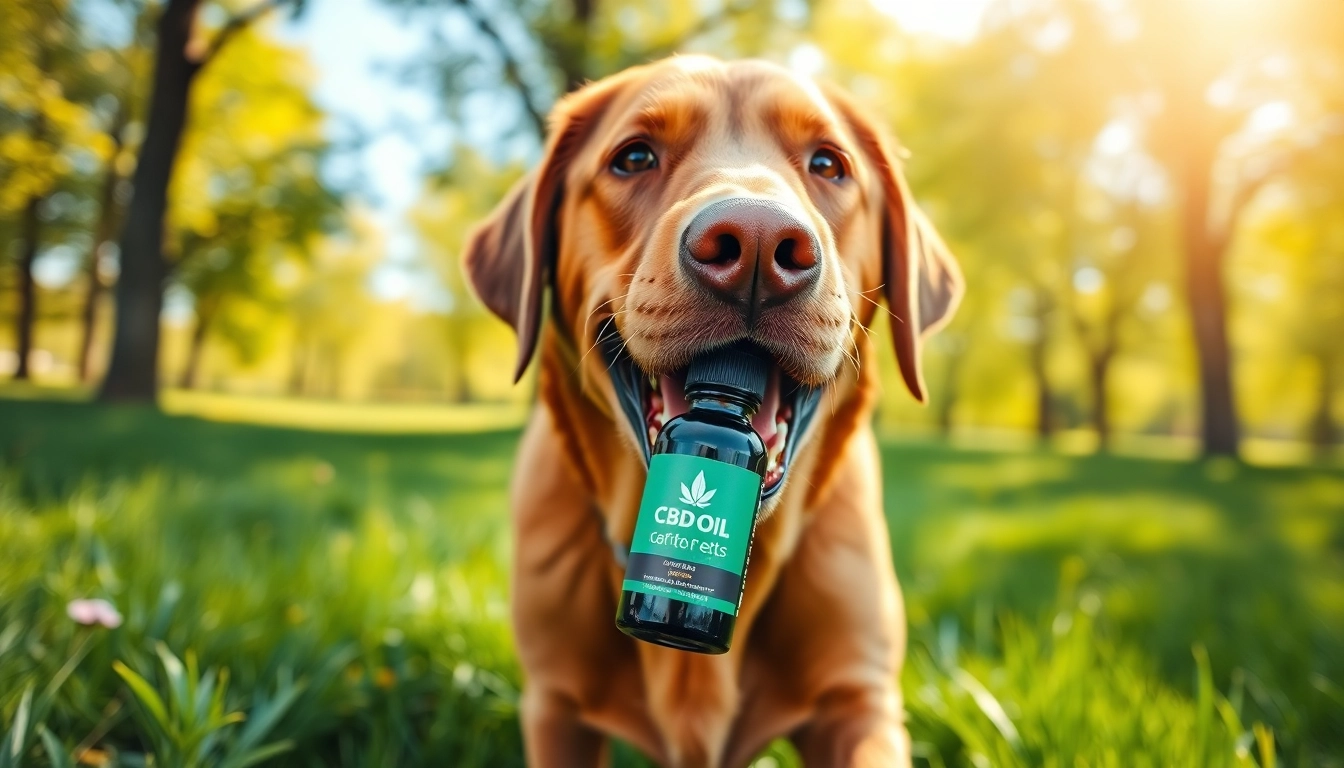
What Is CBD Oil For Dog?
Understanding CBD and Its Origin
CBD, or cannabidiol, is a natural compound derived from the hemp plant, which is a strain of the Cannabis sativa plant species. Unlike THC (tetrahydrocannabinol), CBD is non-psychoactive, meaning it does not produce a 'high.' Instead, CBD interacts with the endocannabinoid system (ECS) found in both humans and animals, playing a role in regulating various physiological processes and maintaining homeostasis.
The extraction of CBD oil from hemp follows a meticulous process to ensure purity and consistency. For dogs, the oil is typically cold-pressed or extracted using CO2 methods, preserving the active compounds while removing any harmful ingredients. Many proponents believe that CBD Oil For Dog offers a holistic approach to managing various health conditions.
How CBD Oil Works in Dogs
When administered to dogs, CBD oil interacts with the ECS, which consists of receptors (CB1 and CB2) spread throughout the body. These receptors communicate with neurotransmitters to help regulate functions such as pain sensation, mood, immune response, and inflammation. By influencing these receptors, CBD oil may help alleviate symptoms associated with anxiety, pain, seizures, and other health issues.
Research shows that CBD may be particularly effective in reducing anxiety in dogs, including separation anxiety and noise phobias, as it promotes a calming effect. Furthermore, its anti-inflammatory properties can help manage chronic pain and improve mobility in older dogs or those suffering from arthritis.
The Different Types of CBD Oil For Dog Available
Pet owners will find a variety of CBD oil products designed specifically for dogs, each with its own formulation and concentration. The primary types include:
- Full-Spectrum CBD Oil: Contains a range of cannabinoids, terpenes, and other beneficial compounds, offering what is known as the 'entourage effect.'
- Broad-Spectrum CBD Oil: Similar to full-spectrum but without THC. This option provides many cannabinoids without the psychoactive effects.
- CBD Isolate: Pure CBD without any additional cannabinoids or terpenes. This is ideal for pet owners who want the benefits of CBD without any trace of THC.
Health Benefits of CBD Oil For Dog
Addressing Anxiety and Stress in Dogs
Anxiety in dogs is a common issue that can stem from various sources, including noise, separation from owners, or changes in their environment. CBD oil has been shown to effectively reduce anxiety in both clinical studies and anecdotal evidence from pet owners.
CBD interacts with serotonin receptors in the brain, which can lead to reduced feelings of anxiety and stress. By helping to calm your dog during stressful situations, such as thunderstorms or fireworks, CBD oil can greatly improve their quality of life.
Joint Pain Relief and Mobility Support
Older dogs or those with degenerative conditions like arthritis may experience joint pain that limits their mobility. CBD oil's anti-inflammatory properties can be especially beneficial in these cases, providing pain relief without the potential side effects associated with traditional pain medications.
One study found that dogs experiencing arthritis showed significant improvements in mobility and a decrease in pain after receiving CBD. Regular administration of CBD oil can help maintain their activity levels, ensuring they continue to enjoy daily walks and playtime.
CBD Oil For Dog and Seizure Management
Epilepsy and seizures can be debilitating conditions that affect dogs. Research indicates that CBD may help decrease the frequency and severity of seizures in dogs. The mechanism by which CBD aids seizure control involves its interaction with neurotransmitter receptors that regulate excitability and calm electrical activity in the brain.
While more research is needed to establish definitive guidelines for using CBD in seizure management, many pet owners report positive results after incorporating CBD oil into their dog's treatment plan.
Dosing Guidelines for CBD Oil For Dog
Factors to Consider When Dosing
Dosing CBD oil for dogs can vary widely depending on several factors, including the dog’s weight, the specific condition being treated, and the concentration of the CBD product. It is essential to start with a low dose and gradually increase it as needed while monitoring for any adverse reactions.
As a general guideline, research suggests starting with 1-2 mg of CBD per 10 pounds of body weight. From there, adjustments can be made based on the dog's response, with careful consideration of both effectiveness and any signs of discomfort.
How to Administer CBD Oil For Dog
Administering CBD oil to dogs can be straightforward. Most products come with a dropper for easy measurement and application. Here are some methods for administration:
- Directly into the Mouth: Use the dropper to place the oil directly on your dog's tongue or inside their cheeks for quick absorption.
- Mixed with Food: If your dog is hesitant to take oil directly, mix it with their food or treats. Ensure that they consume the entire serving for effective dosing.
- Treats or Capsules: Some companies produce CBD-infused treats or capsules designed for dogs, making administration easier.
Signs of Proper Dosing
Monitoring your dog's response to CBD oil is crucial. Signs of proper dosing typically include:
- Reduced anxiety or stress levels.
- Improved mobility and reduced signs of pain.
- Fewer seizure episodes in those with epilepsy.
Conversely, if you notice any excessive lethargy, gastrointestinal upset, or any unusual behavior, consider adjusting the dosage or consulting with a veterinarian.
Choosing the Right CBD Oil For Dog Product
What to Look For in High-Quality CBD Oil For Dog
Selecting a high-quality CBD oil for your dog requires careful consideration. Look for products that contain:
- Organic Hemp: Ensure the sourcing of hemp is organic, as this prevents exposure to pesticides and other harmful chemicals.
- Full Transparency: The product should provide clear information on concentration, ingredients, and extraction methods.
- Cannabinoid Profile: Opt for full-spectrum or broad-spectrum formulations to obtain the full range of cannabinoids for enhanced effects.
Lab Testing and Transparency in Ingredients
Reputable manufacturers will have third-party lab testing to verify the potency and purity of their products. Look for certificates of analysis (COAs) that detail the cannabinoid profile and demonstrate the absence of harmful substances. This transparency is crucial in ensuring your pet's safety and receiving the expected benefits from CBD oil.
Customer Reviews and Recommendations
Customer reviews can provide valuable insights into the efficacy and quality of a product. Look for testimonials from pet owners who have seen positive results with similar health issues in their dogs. Additionally, checking the manufacturer’s reputation through various dog forums and online communities may offer further assurance.
Consulting with Your Veterinarian
Importance of Professional Guidance
Before introducing CBD oil into your dog's routine, it is wise to consult with your veterinarian, especially if your dog is taking other medications or has existing health concerns. A vet's guidance can help ensure that CBD is a suitable option and assist in developing an individualized plan that fits your dog's needs.
Addressing Concerns About CBD Use in Pets
While CBD is generally considered safe for dogs, pet owners might have concerns regarding potential side effects or interactions with medications. Your veterinarian can discuss these risks and help alleviate any worries regarding the safety of CBD use in your dog.
Developing a Comprehensive Health Plan
A holistic approach to your pet's health can be beneficial. Work with your veterinarian to develop a comprehensive care plan that may incorporate CBD oil alongside diet, exercise, and other therapeutic options. This synergy can help promote optimal health and well-being in your furry companion.