Understanding Vape & E-Liquids
What are Vape & E-Liquids?
Vape and e-liquids are essential components of the vaping experience, designed for use in electronic vaping devices. These liquids, commonly known as vape juice, consist of various ingredients that when heated, produce vapor inhaled by the user. Essentially, the appeal of vaping lies not just in the act of inhalation, but also in the vast variety of flavors and experiences it offers. Vape & E-Liquids provide a smoking alternative that is less harmful than traditional cigarettes, as they typically lack many of the toxic substances found in tobacco smoke.
Components of Vape & E-Liquids
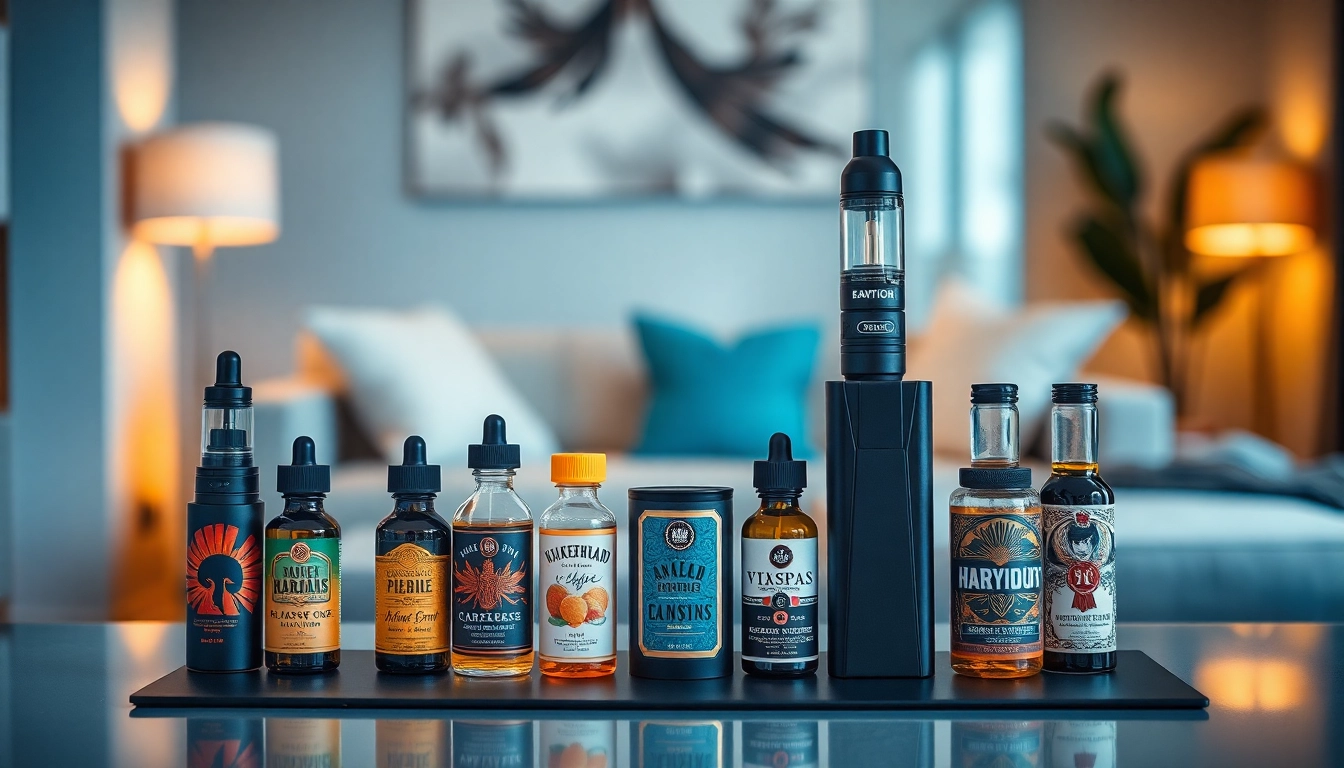
The primary constituents of vape liquids are propylene glycol (PG), vegetable glycerin (VG), flavorings, and nicotine. PG is a thin, odorless liquid that helps flavorings dissolve easily, while VG is thicker and sweeter, contributing to the vapor’s density and smoothness. Flavorings come in numerous varieties, appealing to a wide audience with preferences ranging from fruity and minty to dessert-inspired or classic tobacco flavors. Finally, nicotine content can be adjusted according to personal preference, influencing the strength of the vaping experience.
Flavor Profiles and Varieties
Flavor variety is one of the key attractions of vape and e-liquids. From fruity flavors like watermelon and strawberry to bakery flavors like vanilla custard and chocolate cake, the options are nearly endless. There are also more unconventional flavors such as cereal and candy, catering to diverse taste preferences. This broad spectrum allows users to explore different flavor profiles, making each vaping session a unique experience.
Choosing the Right Vape & E-Liquids
Identifying Personal Preferences
When selecting vape and e-liquids, understanding personal preferences is crucial. Users should consider factors such as desired flavors, nicotine strength, and cloud production. This subjective experience can greatly influence satisfaction. For instance, some may prefer higher VG blends for easier inhalation and denser vapor, while others might opt for high PG blends for a throat hit reminiscent of traditional smoking.
Reading Labels for Quality Assurance
To ensure quality and safety, it’s vital for consumers to read labels carefully. Look for information regarding the source of ingredients, particularly regarding VG and PG origins, as well as any chemical additives. High-quality manufacturers will often provide batch numbers and lab results to assure consumers of their product’s purity and safety. Transparency about ingredient sourcing and production methods can be a strong indicator of reliability.
Choosing Nicotine Strengths
The choice of nicotine strength is one of the most critical decisions when choosing vape and e-liquids. Options typically range from 0mg (no nicotine) to upwards of 60mg, catering to various user needs. Novices may start with higher nicotine content and gradually reduce as they become more accustomed to vaping. Conversely, seasoned vapers may prefer lower levels or even nicotine-free options to enjoy flavors without the chemical dependency associated with nicotine intake.
Popular Trends in Vape & E-Liquids
Current Flavor Innovations
Flavor innovation in vape and e-liquids is rapidly evolving, with manufacturers continuously experimenting to capture new and exciting tastes. There are recent trends toward natural flavoring over artificial ingredients, mirroring a broader shift in consumer preference toward cleaner, more natural products. Seasonal flavors around holidays also create buzz, with special editions that cater to festive tastes, such as pumpkin spice in the fall or refreshing mint variations for summer.
Market Trends and Consumer Behavior
The vaping market has witnessed substantial growth over the past years, with substantial shifts in consumer behavior marking this evolution. As awareness of the potential health implications associated with traditional smoking grows, more individuals are turning towards vaping as an alternative. Additionally, demographic studies reveal that younger audiences are more inclined to explore various vape flavors, while older users tend to favor traditional tobacco flavors, creating distinct market segments.
Environmental Considerations
Environmental concerns have started to influence buying decisions in the vaping industry. There is an increased call for eco-friendly packaging and sustainable practices among manufacturers. Many consumers are now searching for products that minimize plastic waste and promote biodegradability. Moreover, the industry is seeing a rise in recycling programs aimed at reducing the environmental footprint that used vape products leave behind.
Best Practices for Using Vape & E-Liquids
Storage and Maintenance Tips
Proper storage of vape and e-liquids is essential to maintain their flavor integrity and quality. Liquids should be kept in cool, dark places, away from direct sunlight and extreme temperatures, as excessive heat or light can degrade flavors and nicotine levels. Additionally, ensure caps are tightly sealed to prevent leaks and contamination. Regular cleaning of vaping devices can also prevent buildup and prolong the lifespan of the equipment.
Mixing and Matching Flavors
Mixing different vape and e-liquids is an enjoyable way to create custom flavor profiles. Users can experiment with different combinations to find unique blends tailored to their taste. However, it’s essential to ensure that mixing does not compromise the overall flavor by combining liquids with differing VG/PG ratios, as this can influence the device’s performance and vapor production.
Safety Guidelines for Vaping
Like any other consumer product, safety remains a significant concern in vaping. Users are advised to educate themselves about the hazards associated with nicotine consumption and to avoid vaping around young children or pets. Furthermore, following manufacturer guidelines on battery usage ensures safe operation of devices, as overcharging or using incompatible parts can pose fire hazards.
Maximizing Your Vaping Experience
Combining Vape & E-Liquids with Devices
Compatibility between vape and e-liquids and the devices utilized is paramount for an optimal vaping experience. Different devices cater to specific types of e-liquids, with some being designed for high VG liquids suitable for sub-ohm tanks, while others work well with higher PG concentrations. Understanding how device specifications relate to liquid properties can help users achieve their desired vapor density and flavor output.
Community Resources and Support
Joining the vaping community can significantly enhance the experience for new users. Many online forums and social media groups share invaluable resources such as tips for beginners, troubleshooting common issues, and recommendations for vape and e-liquids. These platforms foster a sense of connection among users and serve as a support network for those navigating the landscape of vaping.
Finding Quality Suppliers
Choosing reputable suppliers for vape and e-liquids is crucial. Researching suppliers through reviews and recommendations can ensure that users receive high-quality products. A good supplier will provide transparency regarding their sourcing, production processes, and safety testing, reassuring customers about the integrity of their purchases. Investing time in choosing the right supplier can lead to better overall satisfaction.